
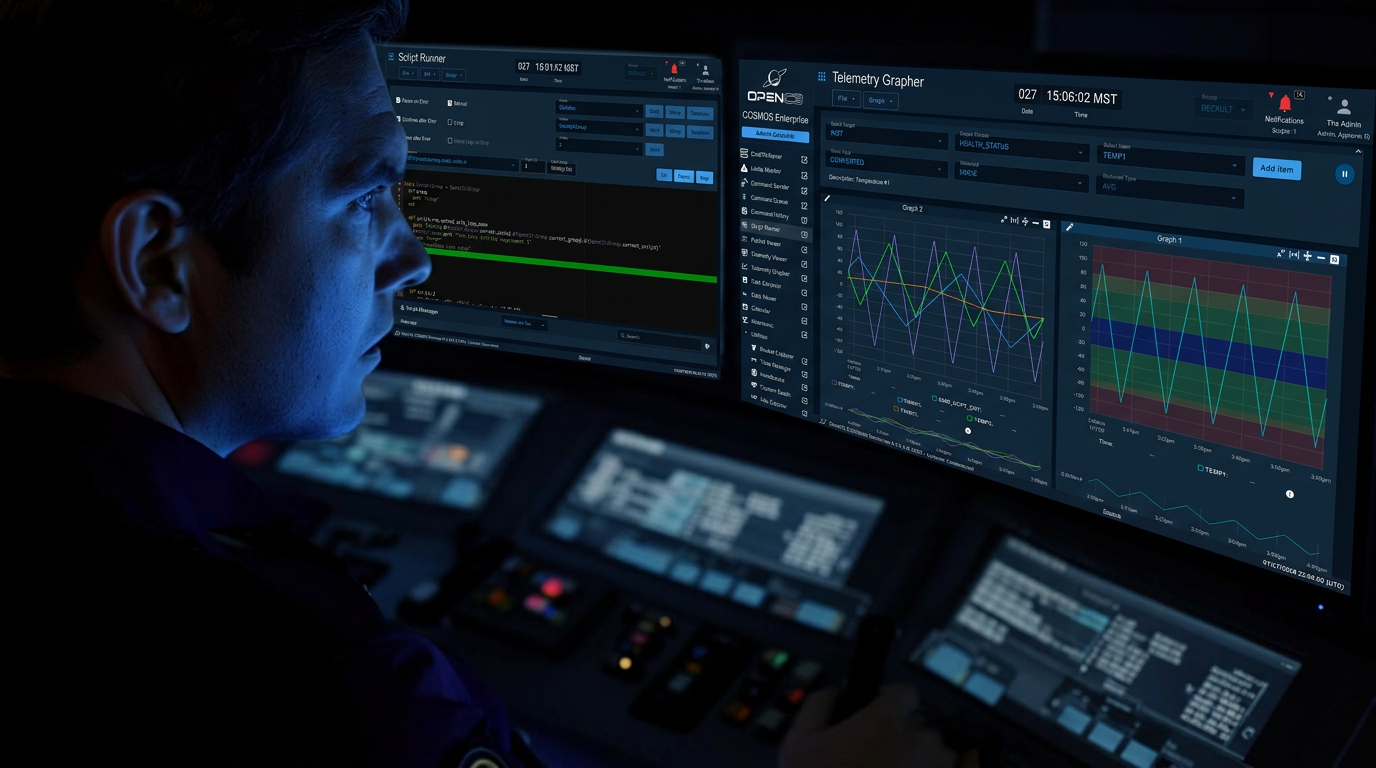
Own the system.
Not the tooling.
Systems engineers should define behavior, limits, and verification — not maintain a graveyard of bench scripts. COSMOS gives you one source of truth from ICD to bench to launch site to ops floor.
The pain we keep hearing from systems engineers.
If any of these sound like your week, you're in the right place.
Hand-rolled Python harnesses, LabVIEW VIs, and spreadsheets that drift between teams and rot between programs.
One platform, one config, one Script Runner — Ruby or Python, version-controlled, shared across the program.
Telemetry definitions, command dictionaries, and limits maintained in three different places.
Define mnemonics, commands, and limits once as a COSMOS plugin. Every tool reads from the same source.
No single source of truth from bench to TVAC to launch site to ops — each stage re-implements the same configs.
The config that drove your bench is the config that drives the cleanroom and the ops floor. No rewrite at every gate.
Verification evidence — which req, what data, signed off by whom — gets reconstructed from logs at closeout.
Every Script Runner pass produces a signed evidence record automatically. The matrix builds itself.
Anomaly investigations stall because nobody can replay last Tuesday's packet stream.
Total recall — every packet, every command, every operator action. Scrub down to the millisecond, forever.
Every bus (SpaceWire, 1553, CCSDS, CAN, Ethernet, MAVLink) ships with its own one-off vendor GUI.
One console. Hundreds of protocol drivers in the box, plus a plugin SDK for the custom one your prime invented.
The pieces an SE actually needs.
Not a framework. A working platform — TRL-9, 50+ missions — that aerospace systems engineers run their day on.
One source of truth
Telemetry, commands, and limits defined once as a plugin. Every screen, script, and report reads from the same dictionary.
Reusable Script Runner procedures
Ruby and Python, both first-class. Parameterized, version-controlled, run against sim or hardware unchanged.
Every bus, one console
SpaceWire, MIL-STD-1553, CCSDS, CAN, Ethernet, MAVLink, custom binary — hundreds of drivers in the box, plugin SDK for the rest.
Limits you actually trust
Per-state, per-mode limits monitored continuously. Alerts route, holds engage, audit records itself.
Total recall
Every packet, every command, every operator action — replayable for as long as you keep the disks. Anomaly forensics in minutes.
Lifecycle reuse
Bench config IS I&T config IS ops config. The team carries it forward; the procedures don't get rewritten.
One artifact set. Five stages of life.
No re-derivation between gates. Every artifact you produce as a systems engineer moves forward with the program.
Define
ICD, command dictionary, and limits land in one COSMOS plugin. Versioned alongside the flight software, not in a Word doc.
Simulate
Sim targets that speak the same protocols as the flight box. Write the procedure against sim today, run it on hardware tomorrow.
Bench
HIL benches, scripted regressions, operator sign-off. Same Script Runner, same dictionary, same evidence trail.
Integrate
TVAC, EMI, vibe, environmental. Procedures move forward unchanged. Verification evidence accrues automatically.
Operate
Launch and ops reuse every artifact. The screens engineers built for I&T are the screens operators run the mission on.
One platform. Four stages. Zero rewrites.
From ICD freeze to the thousandth ops shift — the same COSMOS carries the artifacts forward.
Define the system on the platform that will run it.
Mnemonics, commands, limits, and modes land in a COSMOS plugin alongside the flight software. The ICD stops being a Word doc and becomes executable.
- Plugin-defined telemetry, commands, and limits — version-controlled
- Modes and states drive limits automatically
- ICD changes propagate to every screen, script, and report
- Engineering review reads the same dictionary the bench will execute
The dictionary is the system. Everything else is downstream.
Write the procedure once. Run it against sim or hardware.
Sim targets that talk the same protocol as the flight box. The script that exercised the sim last night exercises the actual board this morning — no rewrite.
- First-class Ruby and Python — pick by team, not by stage
- Hardware-in-the-loop benches share the I&T config exactly
- Parameterized procedures replace one-off bench scripts
- Operator sign-off captured inline, not in a separate log
Sim-to-hardware reuse is the default, not a porting project.
Verification evidence accrues automatically.
Every Script Runner pass writes a signed record — operator, build, hardware serial, exact packet stream, pass/fail. The closeout matrix builds itself instead of being reconstructed.
- Per-run evidence: operator, hardware ID, build, packets, result
- Requirement ↔ procedure ↔ run linkage maintained continuously
- Long-retention logging for trending and anomaly forensics
- Same screens engineers built on the bench drive the cleanroom
Closeout collapses from weeks of log-scraping to a query.
The team carries the system into ops — not a rewrite of it.
Launch site rehearsals, LEOP, and steady-state ops run on the same install, the same dictionary, and most of the same procedures. The SE owns one platform across the program.
- Pass console, scripts, and dashboards forked from I&T artifacts
- Multi-mission scopes on one install for follow-on birds
- Anomaly replay reaches back to bench data with the same tools
- Direct engineering support from the OpenC3 team during LEOP
One product. One team. From requirements to steady-state ops.
The surfaces you actually live in.
From the packet viewer you debug a new box on to the verification matrix you close the program out with — every screen reads from the same dictionary, captures the same evidence, and follows the system across the lifecycle.
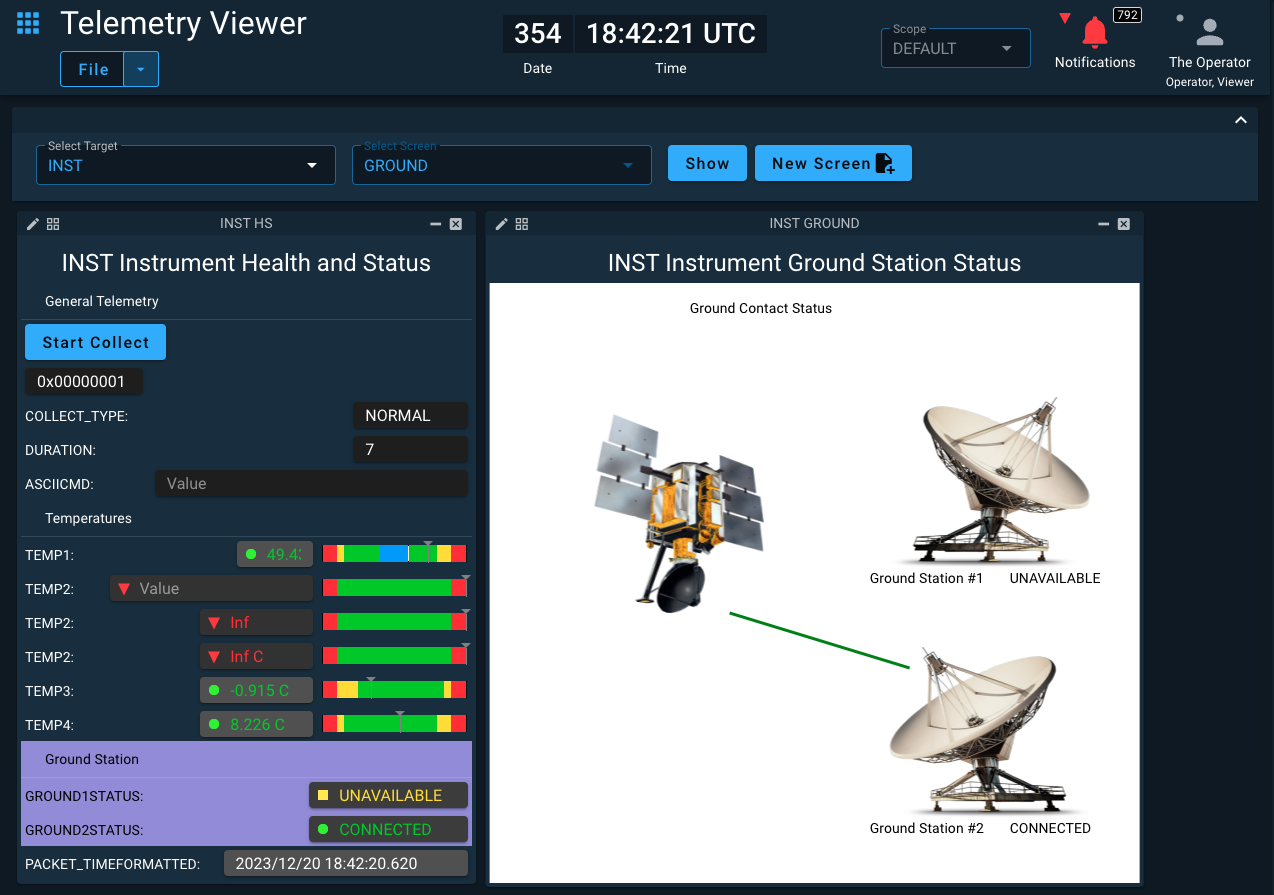
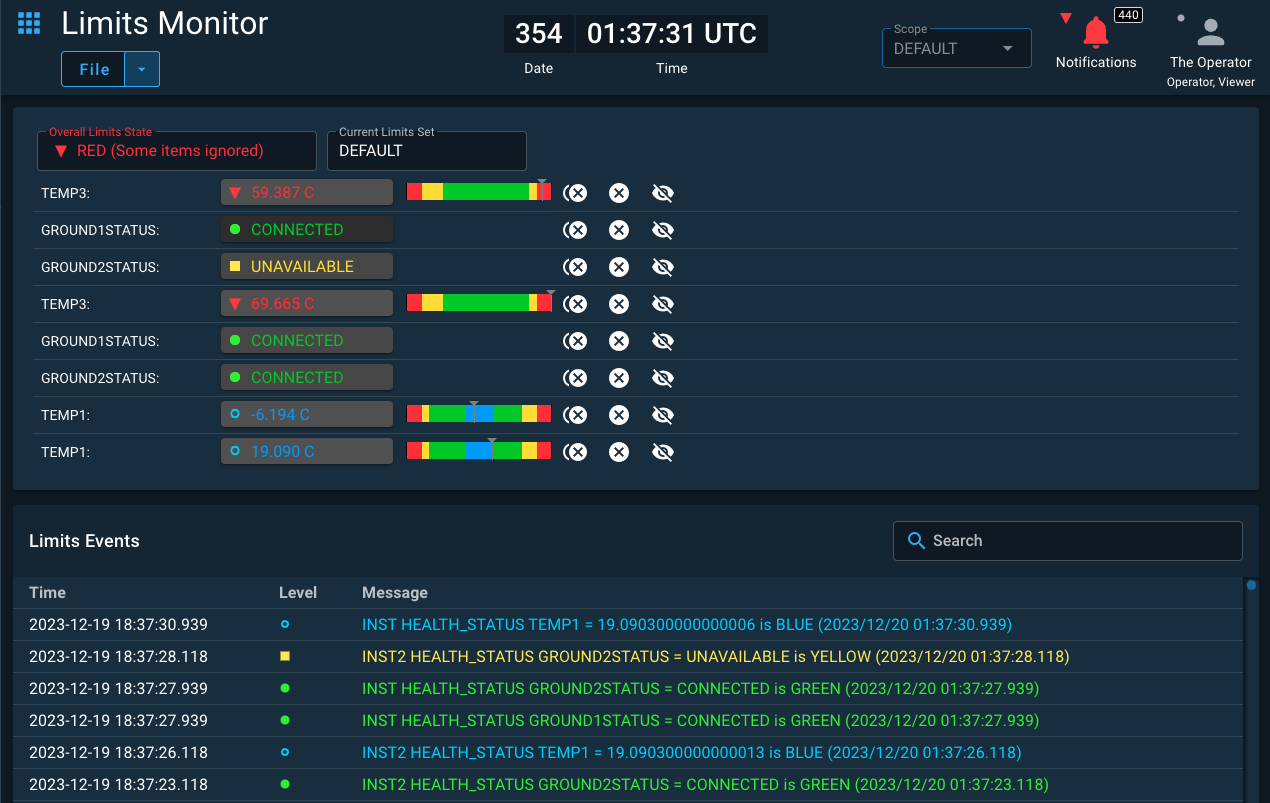
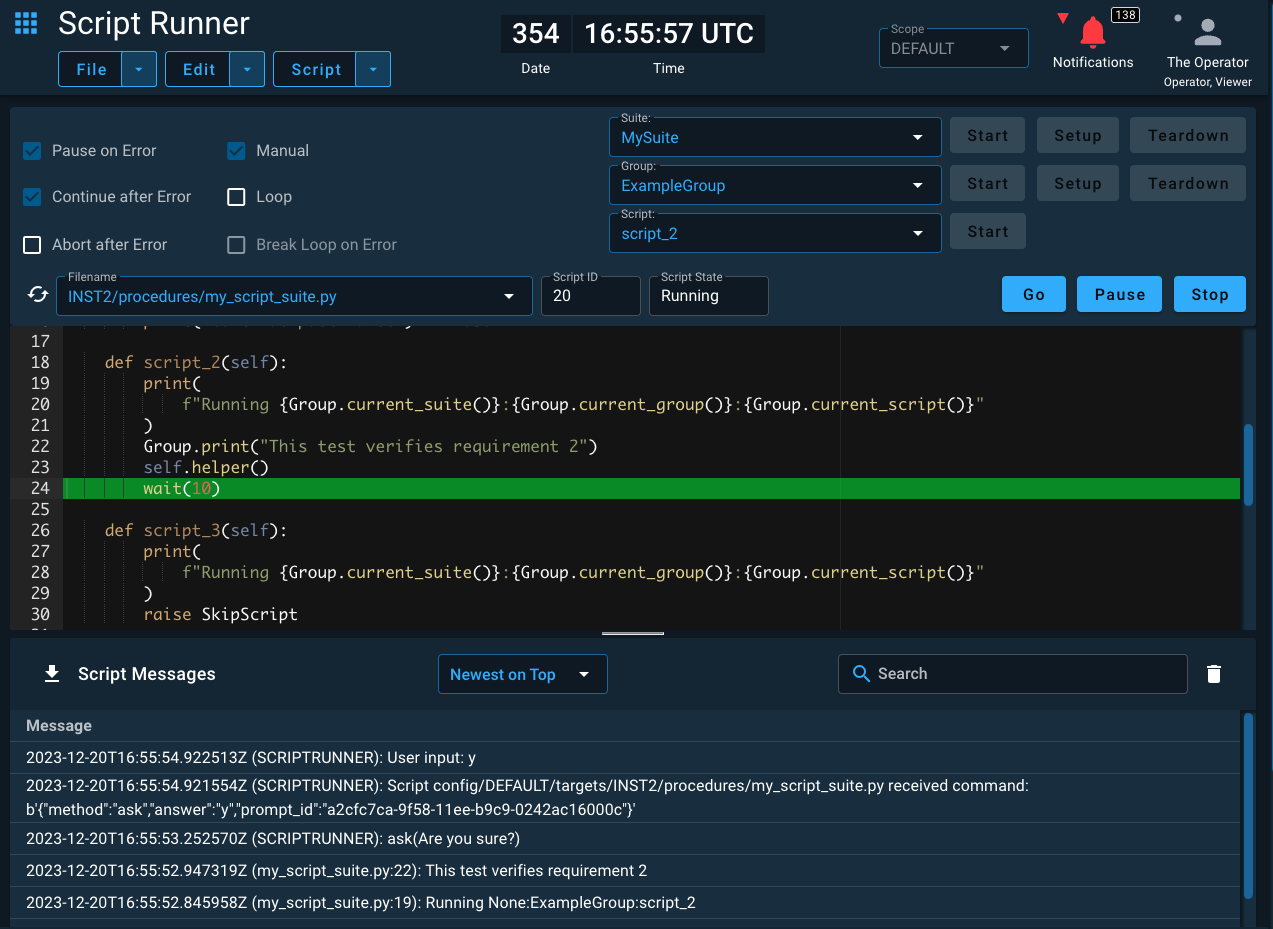
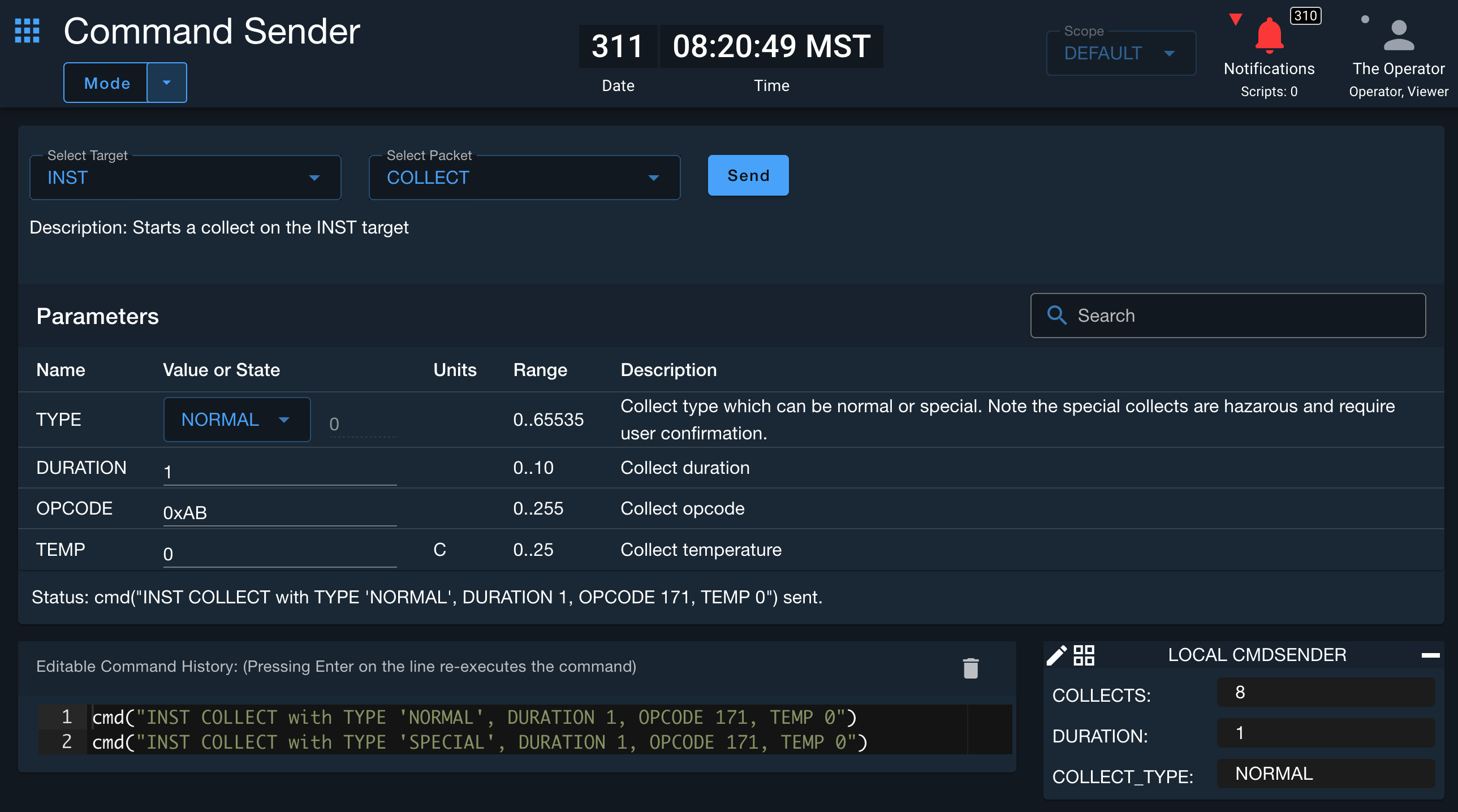
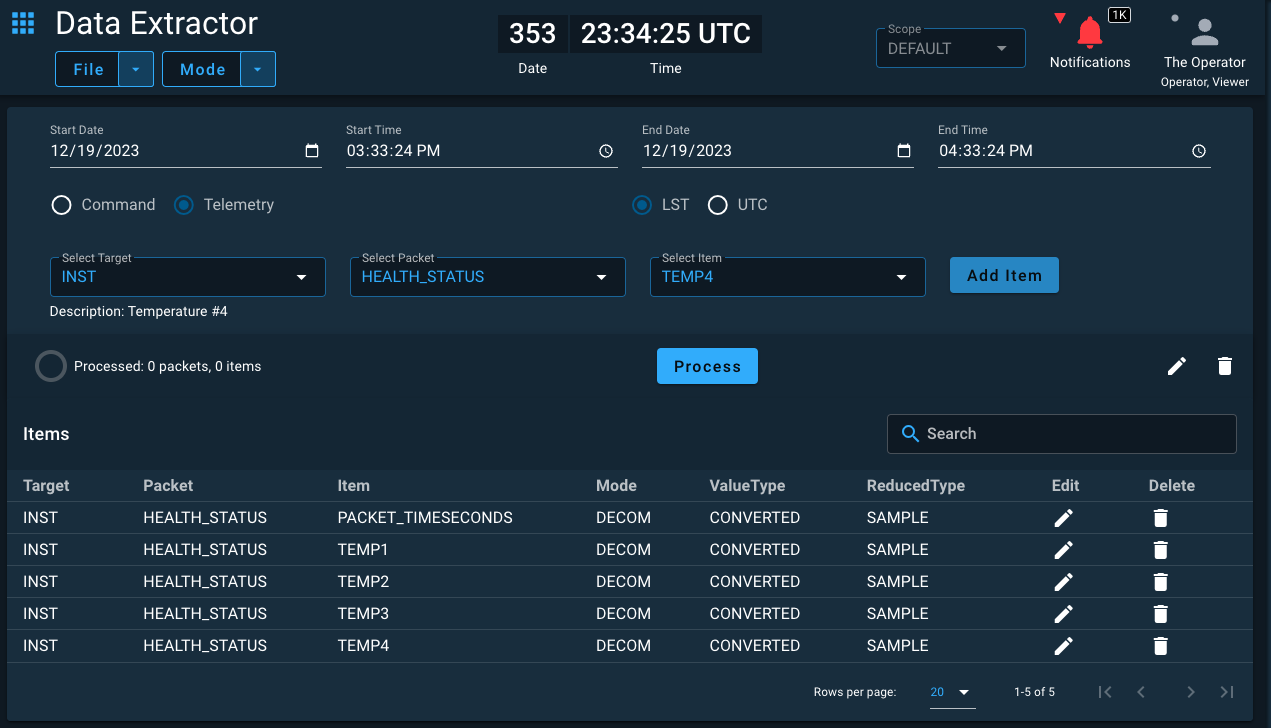
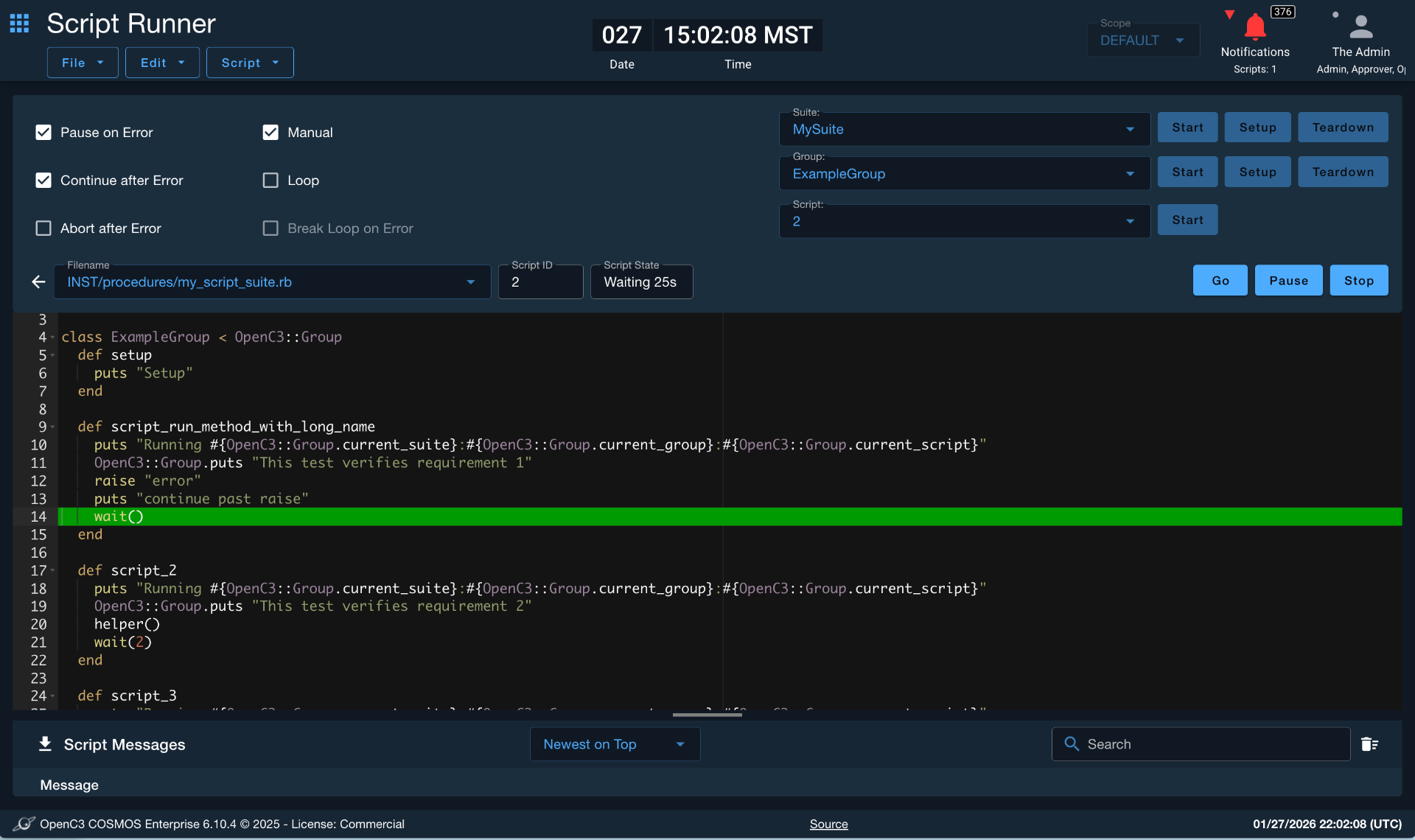
Verification, captured automatically.
Every Script Runner pass writes a signed evidence record — who ran it, on which hardware build, against which procedure, with the exact packet stream and pass/fail. The verification matrix stops being a closeout project and becomes a live query against the platform.
- Per-run record: operator, hardware ID, software build, packets, result
- Requirement ↔ procedure ↔ run linkage maintained continuously
- Replay any historical run packet-for-packet for audit or anomaly review
- Export to your PLM / requirements tool — the matrix builds itself
What you stop maintaining the day you adopt COSMOS.
Questions systems engineers actually ask.
We already have a working Python harness — why switch?+
Can we keep our existing ICD and command dictionary?+
Ruby or Python — do we have to pick?+
How does this play with MBSE tools like Cameo / SysML?+
Air-gapped, classified, or ITAR-controlled deployments?+
What does adoption actually look like in the first 30 days?+
Stop maintaining tools. Start owning the system.
Bring your ICD, your bus, and your toughest verification problem. We'll show you the same COSMOS your team will live in from bench through ops.